Air Pollution Brochure Templates
First Impressions: Clean, Modern, and Purpose-Driven Design
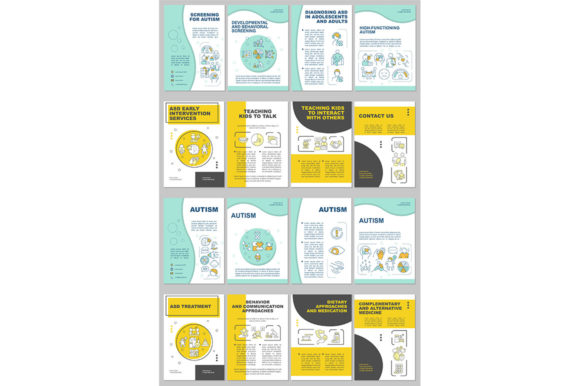
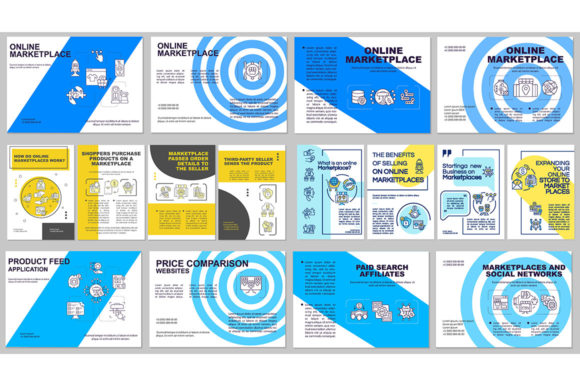
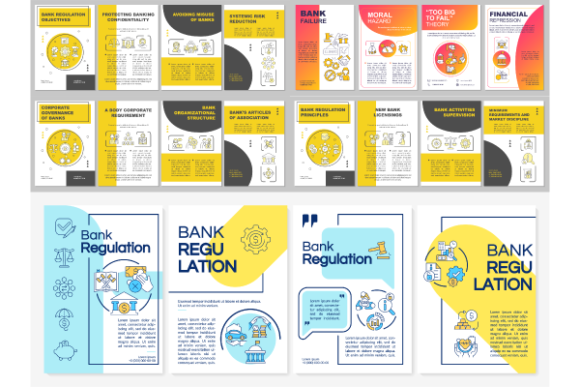
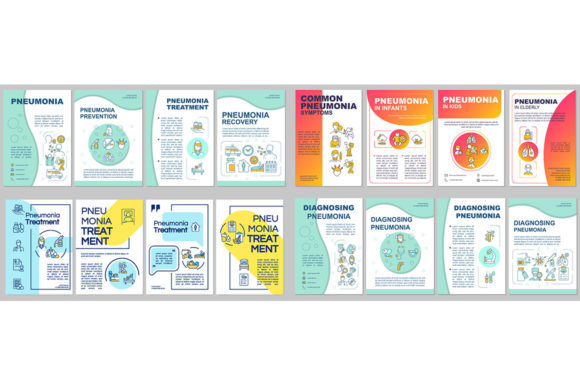
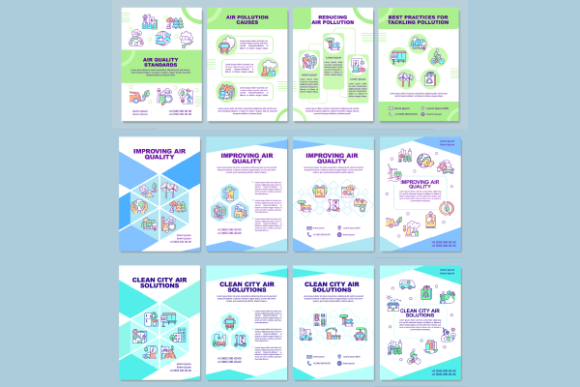
Opening up the Air Pollution Brochure Templates, I immediately noticed the clean, modern aesthetic. The use of linear icons and vector layouts gives it a crisp, minimalist feel that aligns well with eco-conscious branding and sustainability messaging. It’s not just a design asset—it’s a visual strategy tool for clients focused on environmental impact, renewable energy, or green initiatives.
Perfect Fit for Eco-Friendly Branding and Social Impact Campaigns
These templates feel like they were designed for non-profits, educational institutions, or startups promoting clean energy and environmental awareness. The layout style supports a message of clarity and urgency, which is essential when communicating about air pollution reduction. The design language leans toward modern editorial and corporate responsibility reporting, making it ideal for annual reports, informational booklets, and campaign flyers.
Performance Across Real Design Scenarios
- Brand Identity: The linear icon style works well for creating a cohesive visual language across logos, social media, and print collateral.
- Packaging Design: While not a primary focus, select elements could enhance eco-friendly product packaging or informational inserts.
- Printable Design: The brochure and booklet formats are well-structured for print, especially for nonprofits or local government outreach materials.
- Social Media Graphics: The vector layouts scale well for Instagram posts, Pinterest pins, and Facebook covers when adapted with brand colors.
- Editorial Design: The grid structure supports multi-page reports, making it a solid base for annual sustainability reports or white papers.
- Digital Product: With minor tweaks, these layouts can be repurposed into Canva templates or Cricut projects for digital sellers and educators.
Where These Templates Shine Visually
Air Pollution Brochure Templates truly excel in large-format layouts. They work beautifully for:
- Hero graphics on campaign landing pages
- Multi-page reports and presentations
- Informational posters and event flyers
- Themed collections for environmental campaigns
- Print-on-demand brochures and educational handouts
Caution Zones: When to Use Carefully
While versatile, these templates may not be ideal for every use case. Avoid using them in:
- Small-scale designs like business cards or social media avatars
- Minimalist branding that requires ultra-clean visual hierarchy
- Complex layouts with multiple background textures or layered visuals
- Corporate materials needing a more formal tone or traditional layout
- Low-contrast color schemes that might obscure fine icon details
Impact on Readability and Brand Consistency
From a designer’s perspective, readability is strong in these templates. The typography is well-spaced, and the use of icons supports visual storytelling without overwhelming the reader. However, brand consistency will depend on how well the designer integrates the template with the client’s existing visual identity. This is where attention to font pairings becomes crucial.
Font Pairing Notes for Maximum Impact
I tested the Air Pollution Brochure Templates with various font styles to see how they hold up:
- Serif Fonts: Adds a sense of authority and trust, ideal for annual reports or policy documents.
- Sans Serif Fonts: Maintains the modern, clean feel—perfect for digital reports and presentations.
- Script Fonts: Should be used sparingly, perhaps for titles or quotes, to avoid clashing with the structured layout.
- Handwritten Fonts: Risky unless used as a decorative accent; can disrupt the professional tone.
- Display Fonts: Great for headlines and banners when you want to draw attention to key messaging.
Technical Evaluation: What Designers Should Check Before Use
Before deploying these templates in a client project, I recommend running through the following checklist:
- Test the design in black and white to ensure it maintains visual clarity without color cues.
- Check contrast levels on both light and dark backgrounds for accessibility compliance.
- Preview all elements at small and large sizes to assess scalability.
- Place the design in real mockups to see how it performs in context.
- Test print quality, especially if the client needs physical copies for distribution.
- Review file formats included—look for SVG, PDF, and high-res PNG options.
- If PNG transparency is available, test it across different backgrounds.
- Inspect SVG or vector files for editability—this is critical for customization.
- Confirm commercial licensing, especially if the client is a small business or print-on-demand seller.
Emotional Appeal and Audience Engagement
These templates communicate a sense of urgency and clarity that resonates well with audiences concerned about environmental issues. The design supports emotional storytelling, making it easier to engage readers with data, facts, and calls to action. For clients focused on education, advocacy, or community engagement, this graphic design asset can elevate the visual narrative significantly.
Final Thoughts: A Strategic Design Asset for Eco-Conscious Brands
In summary, Air Pollution Brochure Templates offer a strong foundation for client projects that center around environmental awareness, sustainability, and green innovation. They’re not just a design bundle—they’re a strategic tool for visual communication. Whether you're a graphic designer working on a nonprofit campaign, a small business owner launching a green product line, or a digital seller creating educational printables, this set of graphic templates can help you deliver a polished, professional outcome.
Just remember to test thoroughly, pair thoughtfully, and ensure licensing is fully covered before final delivery.