Climate Change Brochures Bundle: An Embroidery Review
As a professional embroidery designer and product reviewer, I approach every new asset with a specific question: will this actually stitch out well on fabric? When I first opened the Climate Change Brochures Bundle, my immediate reaction was mixed intrigue. Marketed primarily as graphic templates for print media regarding climate change mitigation, economic denial, and crisis negation, these vector layouts are not traditional embroidery files. However, for the creative entrepreneur or Etsy seller looking to create niche, statement merchandise, this bundle offers a unique foundation. The linear icons and structured booklet covers possess a geometric clarity that translates surprisingly well to thread, provided you understand how to adapt print-centric graphics for needle and fabric.
Translating Linear Vector Art to Stitch
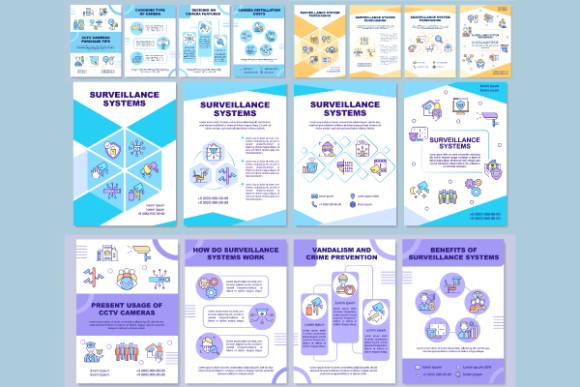
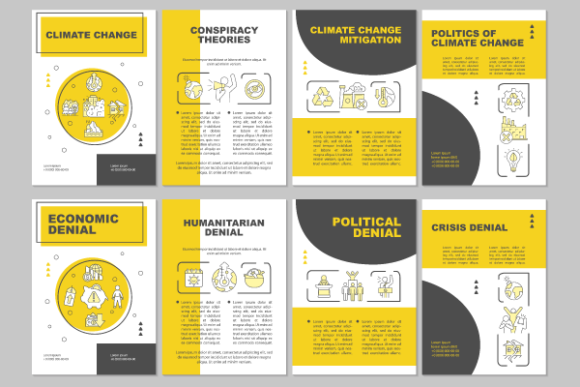
The visual personality of this bundle is stark, informative, and heavily reliant on line work. In the world of machine embroidery design, linear icons are both a blessing and a challenge. Unlike complex fill stitch landscapes or dense applique design motifs, these brochure templates rely on precision. The mood is serious and academic, which means your finished embroidery project must reflect that intentionality. You cannot simply digitize these vectors and expect them to work; they require conversion into running stitches or narrow satin columns.
For my real-world test case, I selected a layout featuring minimalist linear icons representing humanitarian and economic concepts. My goal was to create a custom tote bag design for a client who runs an educational non-profit. They wanted merchandise that sparked conversation without being overly aggressive. The clean lines of the brochure cover design were perfect for this. I converted the primary iconography into a single-color running stitch outline, keeping the aesthetic modern and architectural. The result was a sophisticated handmade product that looked intentional rather than like a repurposed flyer. This proves that while the source material is digital, the application can be deeply tactile.
Best Applications for Niche Messaging
Because the Climate Change Brochures Bundle deals with heavy themes like conspiracy theory and crisis negation, placement matters immensely. This is not the right asset for cheerful baby embroidery or lighthearted holiday embroidery. Instead, these designs excel in spaces where intellectual engagement is expected. I see strong potential for sweatshirt embroidery targeting university crowds, activists, or policy researchers. The structured nature of the brochure layouts mimics institutional branding, lending an air of authority to custom apparel.
For Etsy sellers and small shop product creators, this bundle serves as excellent inspiration for digital embroidery file creation. If you sell design assets, adapting these linear concepts into embroidered patch patterns could fill a gap in the market for serious, topic-specific patches. Similarly, commercial embroidery businesses servicing NGOs or think tanks will find the cover designs useful for corporate gifting. A tea towel or notebook cover featuring a stylized, embroidered version of a mitigation chart feels far more premium than a standard screen print. The key is leveraging the "brochure" aesthetic to create items that feel like collectible artifacts rather than generic merch.
Technical Cautions for Fabric Adaptation
While the linear style is appealing, it demands technical vigilance. Print vectors have zero tolerance for physical fabric movement; embroidery does not. When adapting these Graphics for stitch, you must account for pull compensation. Thin lines that look crisp on screen may disappear or pucker on textured fabrics. I strongly advise against using these detailed linear layouts on stretchy knits or unstable weaves without significant modification. The stitch density required to make thin lines visible can distort lightweight materials.
Furthermore, consider the hoop size. Brochure covers are typically vertical rectangles, which can be awkward to hoop efficiently. You may need to break the design into segments or resize significantly to fit standard hoops. On dark fabrics, the linear icons might lose their definition unless you increase the column width or add a subtle underlay. Always test on scrap fabric first. If you are planning a personalized gift or a run of craft business items, verify that the small text elements often found in brochure templates are legible when stitched. Often, you will need to replace tiny print text with larger, embroidery-friendly lettering or remove it entirely to maintain clarity.
Evaluating Commercial Viability and Value
Does this bundle add value to your finished product? Yes, but only if treated as a raw material rather than a final solution. The professionalism of the original vector layouts provides a strong skeleton, saving you hours of conceptual drawing. However, the value lies in your execution. Customers trust handmade presentation that looks deliberate. If a design looks like a direct, unedited print transfer, it lowers perceived value. By thoughtfully digitizing these linear icons into proper satin stitch or artistic running stitch formats, you elevate the source material into true textile art.
From a licensing perspective, always confirm whether the Graphic Templates allow for derivative commercial embroidery use. Some digital assets permit print sales but restrict stitched goods, or vice versa. Before listing any Etsy seller products or accepting commercial embroidery contracts based on this bundle, review the terms carefully. Additionally, because the subject matter involves sensitive topics like denial and negation, be mindful of your audience. A design intended for educational critique could be misinterpreted on a consumer product. Contextualizing the imagery through thoughtful color choices and accompanying text is essential for maintaining brand consistency and buyer engagement.
Practical Designer Notes for Success
If you decide to incorporate the Climate Change Brochures Bundle into your workflow, keep these practical tips in mind to ensure professional results:
- Digitize for Thread, Not Ink: Never assume a vector line equals a stitch path. Redraw paths specifically for embroidery software to optimize travel runs and reduce jump stitches.
- Contrast is Critical: Test thread colors against your chosen fabric texture. Linear designs rely entirely on contrast; low-contrast combinations will render the design invisible.
- Stabilizer Selection: Use appropriate stabilizer for the fabric weight. Crisp lines on tote bags need cut-away backing; delicate linens may require tear-away to prevent bulk.
- Simplify Small Details: Brochure templates often contain micro-details. Remove or enlarge elements smaller than 2mm to prevent needle breaks and thread bunching.
- Mockup Realistically: Use printable mockup tools that simulate stitch texture, not just flat color overlays. This helps predict how the linear icons will actually appear on the final item.
- Check Licensing: Verify rights for both personal and commercial projects before selling. Document your license for future reference.
- Sample First: Always stitch a sample on the actual garment or material. Digital previews cannot replicate the interaction between stitch density and fabric grain.
Ultimately, the Climate Change Brochures Bundle is a specialized tool. It is not a plug-and-play embroidery library, but for the experienced maker willing to bridge the gap between digital advocacy and textile craft, it offers a distinctive aesthetic. Whether you are creating custom apparel for a cause or developing unique design assets for your shop, success depends on respecting the medium. Treat these vectors as blueprints, not final products, and you can transform static information into compelling, tangible statements.