Energy Purchase Glyph Icons Bundle: Graphics Review
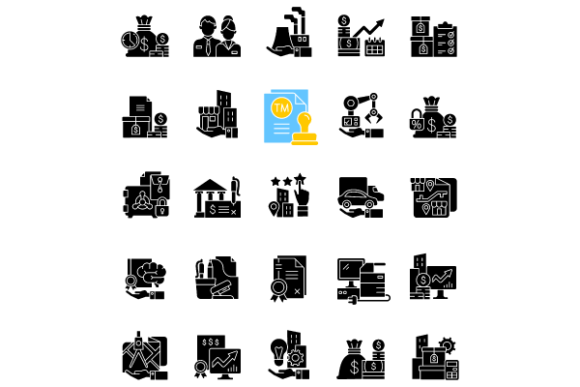
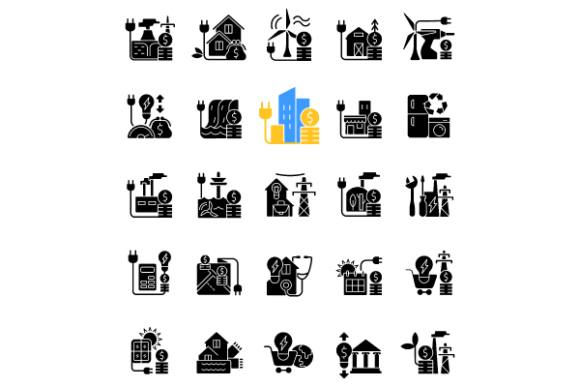
As a digital product creator constantly scouting for versatile assets, my first impression of the Energy Purchase Glyph Icons Bundle was one of immediate commercial utility. This is not a whimsical or overly decorative set; it is a functional, high-contrast collection designed for clarity. The aesthetic is strictly modern and utilitarian, featuring solid black silhouettes against white space. For sellers in the sustainability, finance, or utility niches, this graphic design asset communicates professionalism instantly. It lacks the softness of hand-drawn illustration, which is actually a strength here. Buyers looking for renewable energy symbols or utility payment graphics want precision, not artistic interpretation. The mood is corporate yet accessible, making it ideal for B2B templates, educational materials, and eco-conscious branding projects that require a serious tone.
Evaluating Commercial Viability for Digital Products
When I evaluate a new digital download for my shop, I look for cross-platform potential. The Energy Purchase Glyph Icons Bundle excels because glyph icons are inherently scalable and readable at small sizes. This makes them perfect for UI kits, app interfaces, and infographic templates sold on creative marketplaces. Unlike complex illustrations that lose detail when shrunk, these silhouette symbols maintain their integrity whether they are 16 pixels on a website or 4 inches on a tote bag.
For Etsy sellers and Canva template creators, this bundle fills a specific gap. Many sustainable living shops focus on botanical or rustic aesthetics, leaving the "technical" side of green energy underserved. You can use these icons to create financial planner stickers for tracking utility bills, solar panel installation checklists, or carbon footprint calculators. The vector isolated illustration format means you can easily recolor them to match a client’s brand identity without losing quality. This flexibility is crucial for selling customizable commercial design assets where the end user needs to adapt the visuals to their own color palette.
Best Applications for Print-on-Demand and Merchandise
In my testing workflow, I always run assets through a print simulation before listing. For print-on-demand sellers, this bundle is best suited for designs where bold contrast is necessary. T-shirt designs featuring renewable electrical power cost breakdowns or sustainable production statistics benefit greatly from these sharp glyphs. They work exceptionally well as supporting elements rather than standalone art. For example, pairing these icons with strong sans-serif typography creates a compelling educational graphic for apparel or mug designs.
Sublimation design is another strong avenue. Because these are solid black shapes, they transfer cleanly onto light-colored substrates like tumblers and mousepads. However, I would avoid using them for intricate sticker designs intended for Cricut or Silhouette cutting unless you plan to add an offset border. True glyph icons often have internal negative space that can be tricky to weed if the physical size is too small. For digital planners and printable wall art, however, they are flawless. You can create a cohesive set of dashboard widgets or habit trackers focused on energy conservation, providing high perceived value to customers seeking organized, eco-friendly lifestyle tools.
Optimizing Listings and Visual Hierarchy
Presentation is everything in a crowded marketplace. When creating listing images for products utilizing the Energy Purchase Glyph Icons Bundle, leverage the existing white space. The clean background allows for easy compositing into mockups. I recommend testing these icons in your thumbnail previews to ensure they remain legible at mobile sizes. Their bold nature makes them excellent for catching the eye in a scroll-heavy feed, provided you maintain sufficient padding around each symbol.
Visual hierarchy is critical when selling design bundles. Use these glyphs to break up text-heavy descriptions or to categorize sections within a larger template. For instance, if you are selling a comprehensive small business branding kit for solar companies, use specific icons to denote pricing, contact info, and service areas. This improves the user experience of your product and demonstrates professional design thinking to potential buyers. Always show the icons in context—on a clipboard mockup, a phone screen, or a branded envelope—to help customers visualize the end result. Abstract symbols sell better when buyers can immediately understand their practical application.
Technical Considerations and Seller Precautions
While versatile, this asset requires careful handling to avoid customer complaints. As an experienced seller, I must emphasize checking the cut lines if you intend to market this as a Cricut project file. Glyph icons sometimes contain overlapping paths that look fine on screen but cause double-cuts on vinyl. Always simplify and weld paths in your vector software before exporting SVG designs for crafters. Additionally, verify PNG transparency. Some bundles claim transparency but retain a white bounding box; ensure yours is truly transparent for sublimation and overlay use.
Be mindful of contrast issues. While black on white is standard, some buyers may want to use these on dark backgrounds. Test the invertibility of the vectors. If the details disappear when flipped to white, note this limitation in your product description or provide a pre-inverted version. Also, consider font pairing carefully. These industrial-style icons clash with delicate script fonts. Stick to robust serif, geometric sans-serif, or clean display fonts to maintain visual consistency. Finally, always double-check the commercial license terms. Ensure you are permitted to sell the icons as part of a flattened design versus a standalone asset, as this distinction protects both your shop and the original creator.
Strategic Integration into Product Collections
To maximize ROI, integrate the Energy Purchase Glyph Icons Bundle into broader themed collections rather than selling it in isolation. Pair it with renewable energy clipart, eco-friendly texture packs, or financial spreadsheet templates. This bundling strategy increases average order value and positions your shop as a niche authority. For content creators and bloggers, these icons serve as excellent featured image elements or bullet point markers for articles about utility costs and sustainable living.
Ultimately, this graphic design asset is a workhorse for the pragmatic designer. It lacks emotional fluff but delivers exceptional functional value. Whether you are building Canva templates for green startups, designing educational printables for homeschoolers, or creating merchandise for environmental activists, these icons provide the visual shorthand needed to communicate complex ideas quickly. By testing thoroughly, respecting technical limitations, and presenting them in professional contexts, you can turn this utilitarian bundle into a profitable component of your digital product ecosystem. Remember, in the world of commercial design, clarity often converts better than complexity.